How to Choose the Right Aquarium Filter Type for Your Tank
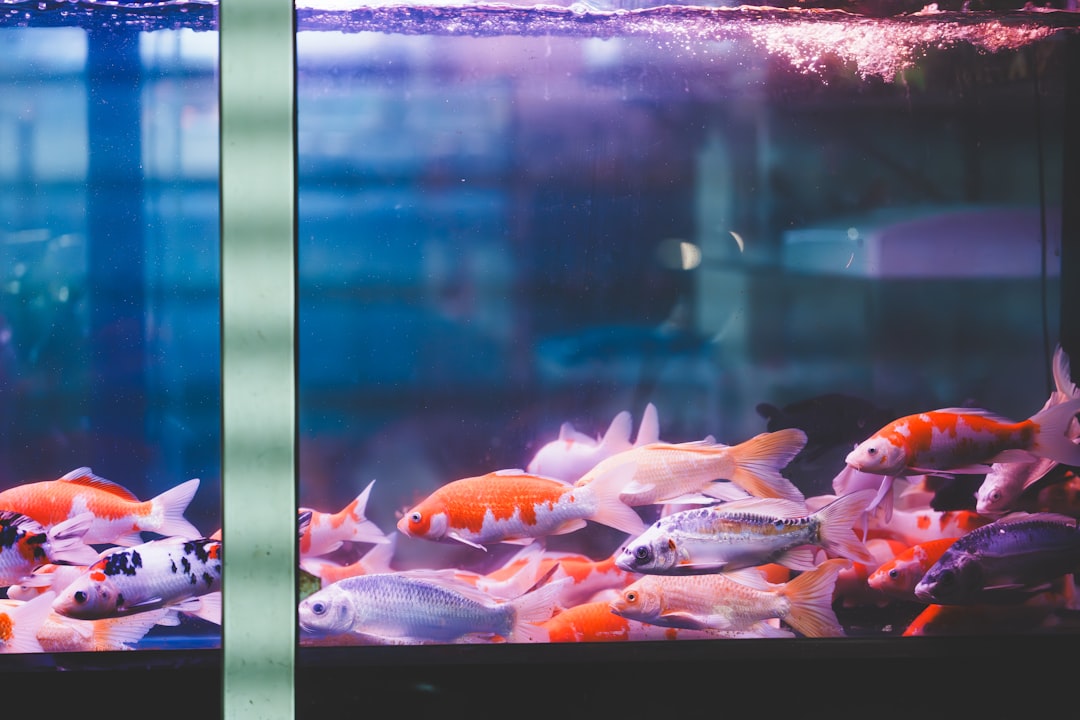
The best aquarium filter depends on your tank size, livestock, and maintenance preferences. Sponge filters are ideal for shrimp and breeding tanks due to gentle flow. HOB (hang-on-back) filters are beginner-friendly for community tanks 10-55 gallons. Canister filters offer superior filtration for larger tanks and planted aquascapes. Internal filters work well for nano tanks. Sump filters provide maximum capacity for high-bioload setups.
Why Filter Choice Matters
An aquarium filter does more than keep water clear. It provides three types of filtration:
- Mechanical filtration removes solid particles like fish waste, uneaten food, and debris
- Biological filtration houses beneficial bacteria that convert toxic ammonia into nitrite and then nitrate
- Chemical filtration uses media like activated carbon to remove dissolved impurities
All three stages work together to maintain stable water quality. A filter that matches your tank’s needs keeps ammonia at zero, removes waste efficiently, and avoids stressing your fish with excessive flow.
The wrong filter creates problems. Too weak a filter cannot handle the bioload. Too strong a filter blows fish around the tank or strips CO₂ from planted aquariums. The goal is to match filter capacity to tank biology, not just to tank volume.
Sponge Filters: Gentle and Safe

Sponge filters are air-driven filters that pull water through a porous sponge material. The sponge itself serves as both mechanical and biological media.
When to Use a Sponge Filter
- Shrimp tanks (no intake to suck up shrimp or fry)
- Breeding tanks (safe for baby fish)
- Nano tanks under 10 gallons
- Hospital or quarantine tanks
- Low-flow setups for delicate species
Pros
- Extremely safe for small livestock
- Impossible to suck up fry or shrimp
- Very low cost
- Simple to clean
- Provides excellent surface area for bacteria
- Runs on air pump (quiet operation)
Cons
- Limited mechanical filtration capacity
- Not suitable for high-bioload tanks
- Air pump required (separate purchase)
- Not ideal for tanks over 20 gallons unless multiple units used
For shrimp keepers and breeders, sponge filters are often the only safe choice. Standard intake slots on other filter types can trap and kill small shrimp or baby fish.
HOB Filters: The Beginner Standard
Hang-on-back (HOB) filters hang on the outside of the tank and pull water up through an intake tube, pass it through media, and return it via a spillway.
When to Use an HOB Filter
- Community tanks 10-55 gallons
- Beginner setups
- Tanks where easy maintenance matters
- Budget-conscious aquarists
Pros
- Easy installation (no drilling or plumbing)
- Affordable prices
- Visible media (easy to inspect)
- Good mechanical and biological capacity
- Widely available replacement parts
- Simple cleaning process
Cons
- Disposable cartridges cost money over time
- Limited media customization
- Surface agitation may strip CO₂ in planted tanks
- Intake slots can trap small fish or shrimp
- Noise from water spillway
HOB filters work well for most community tanks. The main pitfall is relying on disposable carbon cartridges instead of upgrading to reusable sponge and ceramic media.
HOB Filter Tip
Replace disposable cartridges with a sponge pad and a bag of ceramic rings. This saves money and provides better biological filtration. Keep the carbon cartridge only when you need to remove medication or tannins.
Canister Filters: Powerful and Flexible
Canister filters sit below the tank and push water through sealed media chambers via a pump.
When to Use a Canister Filter
- Tanks 40 gallons and larger
- Planted aquascapes needing low surface agitation
- High-bioload setups (goldfish, cichlids)
- Aquarists wanting maximum media capacity
- Situations where quiet operation matters
Pros
- Large media capacity (multiple trays)
- Fully customizable media layout
- Quiet operation (sealed unit)
- Low surface agitation (good for CO₂ retention)
- Strong flow rates available
- Hidden below tank (clean look)
Cons
- Higher purchase price
- More complex cleaning process
- Requires priming after maintenance
- Bulkier footprint
- Hoses need periodic cleaning
Canister filters excel when you need serious filtration power or want to keep CO₂ levels stable in planted tanks. The ability to layer mechanical, biological, and chemical media in separate trays gives you control over water chemistry.
Internal Filters: Compact for Nano Tanks
Internal filters sit entirely inside the tank, usually attached to the glass with suction cups.
When to Use an Internal Filter
- Nano tanks under 10 gallons
- Temporary or travel setups
- Tanks without space behind for HOB
- Simple quarantine setups
Pros
- No external equipment needed
- Very compact
- Easy to move between tanks
- Low cost
Cons
- Takes up swimming space inside tank
- Limited media capacity
- Visible in tank (reduces aesthetics)
- May create too much flow for tiny tanks
Internal filters are a practical choice for nano tanks where space is tight. They are less common in larger setups because they consume display space.
Sump Filters: Maximum Capacity
A sump is a separate tank below the main display that houses filtration equipment, heaters, and other gear. Water drains from the display into the sump and is pumped back up.
When to Use a Sump
- Large tanks 75 gallons and above
- High-bioload systems (large fish collections)
- Marine and reef tanks
- Aquarists wanting equipment hidden
- Complex setups needing multiple components
Pros
- Massive filtration capacity
- Equipment hidden below display
- Easy access for maintenance
- Add-on components (reactors, heaters, probes)
- Increases total water volume (more stability)
- Professional-grade performance
Cons
- Requires drilling tank or overflow box
- Complex plumbing
- Higher cost and setup time
- Takes cabinet space
- Needs careful flow balance
Sumps are the gold standard for large and complex systems. They are rarely needed for simple freshwater tanks under 75 gallons.
Flow Rate Guidelines
A common rule suggests filter flow should be 5-10 times the tank volume per hour. For a 20-gallon tank, that means 100-200 gallons per hour (GPH).
This rule works as a starting point but needs adjustment:
- High-bioload tanks (goldfish, cichlids): aim for 10x or higher turnover
- Planted tanks with CO₂: reduce surface agitation, aim for 5-6x with adjustable output
- Shrimp and fry tanks: use sponge filters with gentle flow, ignore turnover rules
- Long tanks: consider multiple filters or spray bars to distribute flow
Media clogging reduces actual flow over time. A filter rated at 200 GPH may deliver 100-150 GPH once media is loaded. Choose a filter with headroom, not one that barely meets the minimum.
Quick Selection Matrix
| Tank Size | Livestock | Recommended Filter |
|---|---|---|
| Under 10 gal | Shrimp, fry | Sponge filter |
| Under 10 gal | Small fish | Internal or small sponge |
| 10-20 gal | Community fish | HOB filter |
| 20-40 gal | Community fish | HOB or small canister |
| 40-55 gal | Planted tank | Canister filter |
| 40-55 gal | Goldfish | Canister or large HOB |
| 55+ gal | Mixed community | Canister or sump |
| 75+ gal | Large fish, high load | Sump filtration |
Common Buying Mistakes
Choosing by Tank Size Only
A 55-gallon goldfish tank needs more filtration than a 55-gallon planted tetra tank. Goldfish produce heavy waste loads. Plants consume some waste. Match filter to bioload, not just tank dimensions.
Ignoring Flow Loss
Manufacturers list flow rates for empty filters. Once you add sponge, ceramic rings, and carbon, actual flow drops 30-50%. Buy a filter rated higher than your minimum needs.
Relying on Disposable Cartridges
HOB filters often ship with disposable carbon cartridges. These are expensive to replace and provide weak biological filtration. Upgrade to reusable sponge and ceramic media for long-term savings and better bacteria colonization.
Overlooking Intake Safety
Standard filter intake slots can trap small fish, shrimp, and fry. If you keep delicate livestock, add a pre-filter sponge to the intake tube or choose a sponge filter.
Buying Too Powerful a Filter for Delicate Fish
Betta fish, fancy guppies, and slow-moving species struggle in high-flow tanks. Use a filter with adjustable output or choose a sponge filter for gentle circulation.
Summary
Pick a filter that matches your tank’s biology, not just its size. Sponge filters protect shrimp and fry. HOB filters are the easiest starting point for community tanks. Canister filters give you power and flexibility for larger setups. Internal filters solve space constraints in nano tanks. Sumps handle high-bioload systems with professional-grade capacity.
The right filter keeps ammonia at zero, removes waste without excessive flow, and gives you manageable maintenance. Match the tool to the job, and your tank stays stable with less effort.
Comments