How to Set Up Mechanical Filtration for Aquariums: The Three-Piece Combo That Works
If you’re struggling with cloudy water or constantly replacing clogged filter pads, your mechanical filtration setup is probably wrong. The right three-layer combination can reduce maintenance, improve water clarity, and protect your biological filter from debris buildup.
The Direct Answer: Use a Three-Piece Stack
Set up mechanical filtration in three layers:
- Hand-torn wool cotton as the first layer (catches large debris)
- Clog-resistant media (a specialized anti-clog product) as the middle layer
- Ultra-filter cotton as the final polishing layer
This staged approach captures particles by size, keeping water flowing longer and reducing how often you need to clean or replace media.
Why Layering Matters
Mechanical filtration works by physically trapping particles. If you use a single dense pad, it clogs quickly because all debris hits the same surface. Layering changes that:
- The first coarse layer removes fish waste, uneaten food, and plant matter
- The middle layer handles smaller suspended particles
- The final layer polishes fine debris that would otherwise pass through
This means each layer does a specific job. You clean the first layer most often, the middle layer occasionally, and the final layer rarely. Your biological filter stays cleaner because less organic waste reaches it.

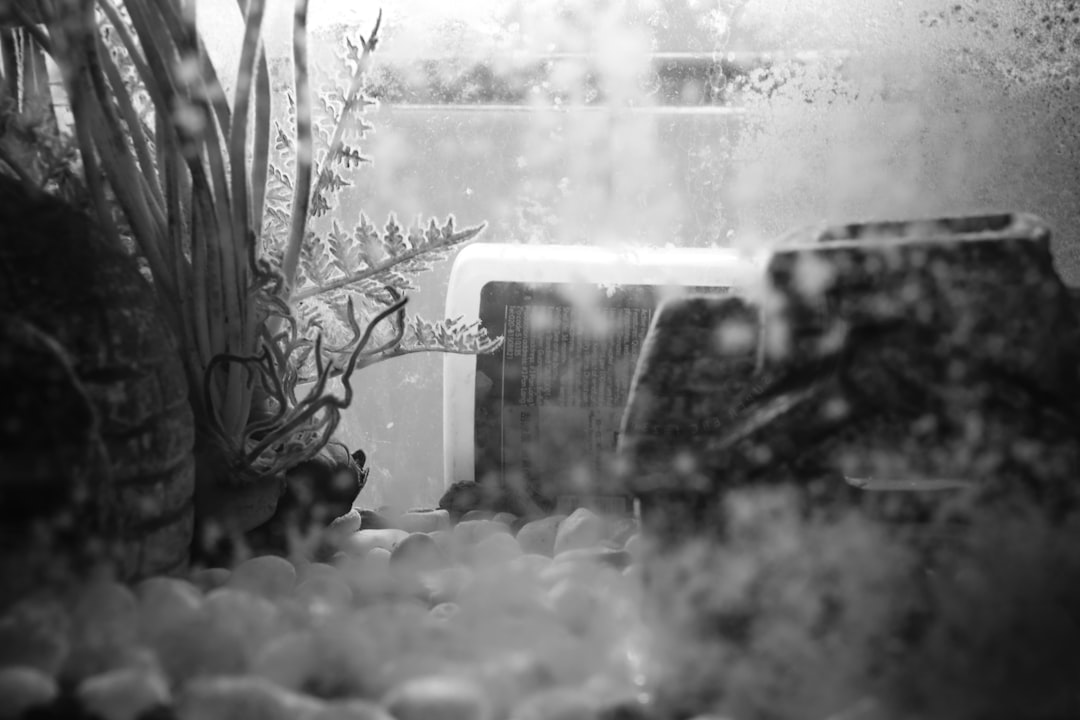
The image above shows what happens without proper mechanical filtration. Those floating particles are exactly what the three-piece stack is designed to remove.
Why Avoid 8D Cotton
Many products marketed as “8D cotton” claim superior filtration, but user experience tells a different story. Forum reports consistently show:
- 8D cotton clogs severely within 2-3 weeks
- It restricts water flow faster than standard wool cotton
- Replacement costs accumulate quickly
The problem seems to be density and fiber structure. 8D cotton compacts under water pressure, creating a barrier that traps debris at the surface instead of distributing it through the material. This forces you to replace it frequently or risk reduced filtration efficiency.
Standard hand-torn wool cotton lacks this compaction problem. Its loose fiber structure allows debris to penetrate deeper, using more of the material’s volume before flow reduction occurs.
Maintenance Schedule for Mechanical Media
Different layers need different cleaning frequency:
| Media Layer | Cleaning Frequency | Cleaning Method |
|---|---|---|
| Wool cotton (first) | Weekly or bi-weekly | Rinse in tank water |
| Clog-resistant media | Monthly | Light rinse, don’t scrub |
| Ultra-filter cotton | Every 2-3 months | Replace or deep rinse |
Never clean mechanical media in tap water. Chlorine kills beneficial bacteria that colonize even mechanical surfaces. Use water removed during your regular tank maintenance.
Mechanical vs Biological Filtration: Quick Refresher
Mechanical filtration removes physical particles. Biological filtration converts toxic ammonia into less harmful compounds through bacteria action. They work together:
- Mechanical media protects biological media from debris coating
- Clean mechanical layers maintain water flow to biological chambers
- Clogged mechanical media forces water to bypass biological media entirely
When mechanical filtration fails, biological filtration degrades. This cycle causes ammonia spikes, cloudy water, and stressed fish.

The layered setup shown above demonstrates how different media types stack together for effective filtration.
Signs Your Mechanical Media Needs Attention
Watch for these indicators:
- Reduced filter output flow
- Surface film or debris accumulation
- Visible particles floating when lights are on
- Water testing shows rising ammonia despite normal biological media
If you notice these symptoms, check the first mechanical layer first. It usually causes 80% of flow reduction problems.
Quick Setup Checklist
Before installing your mechanical filtration stack:
- Arrange layers in order: coarse to fine
- Ensure each layer sits flat without gaps
- Pre-rinse new media in dechlorinated water
- Check that water flows through all layers (not around edges)
- Plan a cleaning schedule based on your tank’s waste production
Summary
The three-piece mechanical filtration stack—hand-torn wool cotton, clog-resistant media, and ultra-filter cotton—provides better performance than single-layer alternatives. It distributes debris capture across layers, extends service life, and protects biological filtration from clogging. Avoid 8D cotton products that compact quickly and require frequent replacement. Clean your first layer weekly, middle layer monthly, and final layer quarterly using tank water only.
Comments