Best Biochemical Filter Media for Aquariums: Modern Alternatives to Ceramic Rings
Traditional ceramic rings and bacteria houses have been standard biochemical filter media for decades. But modern mineral-based alternatives now offer superior performance with longer service life and better water permeability.
The Direct Answer: Modern Mineral Media Wins
Raw mineral olive-shaped media and Laibao balls outperform traditional ceramic rings and bacteria houses because:
- They absorb water instantly (verified by user absorption tests) compared to slow absorption in traditional media
- They contain no binding glue (verified by burn testing)
- They last 5-6 years without powder formation or degradation
- Traditional ceramic products shed particles and crumble over time
This makes modern mineral media more cost-effective despite similar initial prices, since replacement frequency drops dramatically.
The Problem with Ceramic Rings and Bacteria Houses
Ceramic rings and bacteria houses work initially. They provide surface area for beneficial bacteria colonization. But over time, they develop problems:
Particle Shedding
Ceramic media gradually breaks down into fine dust. This dust:
- Clogs downstream filter chambers
- Creates suspended particles in tank water
- May irritate fish gills and skin
Forum users frequently report finding ceramic ring powder coating their filter sponges and impellers.
Structural Degradation
Bacteria houses, especially cheaper variants, lose structural integrity after 2-3 years. They become brittle, crack easily, and eventually collapse into debris. This forces replacement and disrupts your biological filtration colony.
Glue Content Issues
Some ceramic products use chemical binders to hold their shape. Burn testing reveals these binders—clean media burns without residue, while glued media leaves ash or synthetic smell. Binders may affect water chemistry over extended use.

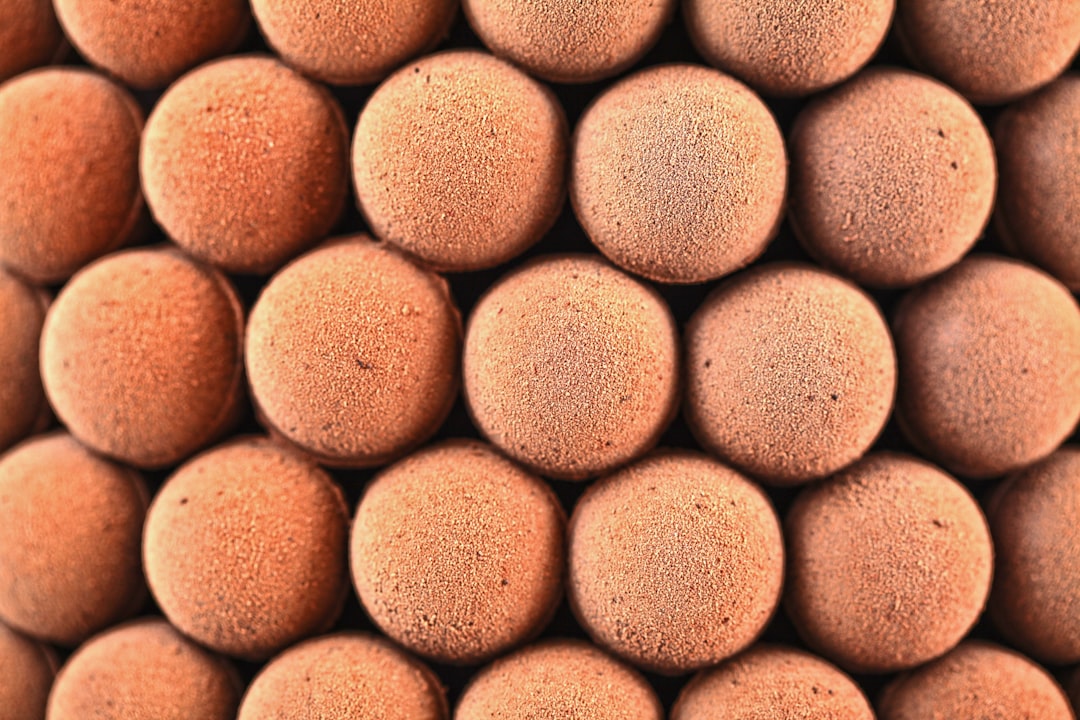
The image above shows various biochemical media types available in the market, including the newer alternatives that address traditional media’s limitations.
Benefits of Modern Mineral Media
Instant Water Absorption
Quality mineral media absorbs water within seconds when submerged. This indicates:
- High porosity throughout the material
- Connected internal channels for water flow
- Massive surface area accessible to bacteria
Traditional ceramic media often requires minutes or hours to fully saturate, suggesting closed pores or limited internal structure.
No Binding Glues
Burn testing differentiates media quality:
- Place a small piece on a heat-safe surface
- Apply flame from a lighter or match
- Quality mineral media burns clean, leaving only mineral residue
- Glued media produces synthetic smell, dark smoke, or sticky residue
Glue-free media eliminates concerns about chemical leaching into aquarium water.
Extended Service Life
User reports confirm 5-6 year service life for quality mineral media:
- No powder formation during use
- Structural integrity maintained throughout
- Bacteria colonization surface remains active
- Flow permeability unchanged
Cost analysis shows mineral media costs similar upfront but saves significantly over 5 years compared to replacing ceramic media 2-3 times.
Testing Media Quality Yourself
Water Absorption Test
- Dry a small piece of media completely
- Submerge it in water
- Observe absorption speed
- Quality media saturates in under 10 seconds
Burn Test
- Place a small fragment on a metal surface
- Apply flame for 10-15 seconds
- Check for residue, smell, or smoke color
- Clean media shows minimal residue and neutral smell
Both tests help identify quality before you invest in bulk purchases.
Compatibility with Filter Types
Modern mineral media works in all common filter configurations:
| Filter Type | Recommended Media Form |
|---|---|
| Canister filter | Olive-shaped media fills chambers evenly |
| Hang-on-back filter | Mixed sizes fit compact spaces |
| Sump/trickle filter | Laibao balls work in media baskets |
| Internal filter | Smaller olive media fits tight compartments |
The irregular shapes of olive media and balls create natural water channels, preventing compaction issues that plague some uniform ceramic rings.
When to Replace Biochemical Media
Unlike mechanical media, biochemical media rarely needs replacement. Replace only when:
- Physical damage cracks or fragments the media
- Powder formation becomes visible (sign of degradation)
- Flow through biological chamber drops significantly
- After 5+ years as preventive maintenance
Never replace biochemical media during tank cycling or after medication treatment. Both situations stress your bacteria colony, and fresh media lacks established bacteria.
Summary
Modern raw mineral biochemical media—olive-shaped media and Laibao balls—provides superior performance compared to traditional ceramic rings and bacteria houses. They absorb water instantly, contain no binding glue, and last 5-6 years without degradation. Traditional ceramic products shed particles, crumble over time, and require more frequent replacement. Test media quality with water absorption and burn tests before purchasing. Replace biochemical media only when physical damage or flow reduction occurs, typically after 5+ years of service.
Comments