How to Choose Fish Color for Green Planted Tanks
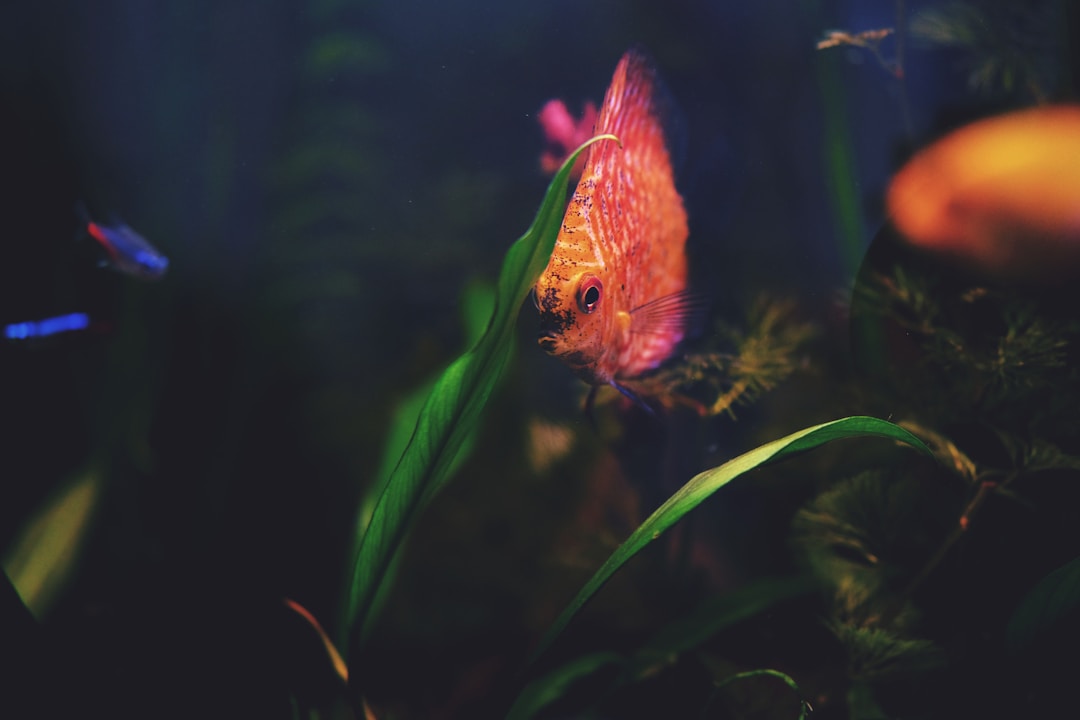
When you have a green-planted tank, choosing fish color is not just about preference—it is about how colors interact. Red and orange tetras create strong contrast and draw the eye. Blue and silver tetras blend softly and create a calm, natural look.
Direct Answer
- For bold contrast: Choose red or orange tetras like Sweetheart Lemon, Blood Red Ruby, or Cardinal tetras. Warm colors sit opposite green on the color wheel, making fish “pop” visually.
- For subtle harmony: Choose blue or silver species like Emperor tetras, Neon tetras, or Blue Congo tetras. Cool colors sit next to green, creating a blended, integrated appearance.
The choice depends on your goal: do you want fish as a focal point, or fish as part of a unified scene?
Why Color Contrast Matters in Planted Tanks
Aquascaping uses the same color principles as visual art. The color wheel shows which colors create contrast and which create harmony:
- Complementary colors (red-orange opposite green) — high contrast, high visual energy, fish become focal points
- Analogous colors (blue-green next to green) — low contrast, smooth transitions, fish feel like part of the environment
Green plants act as a neutral backdrop. They can support either aesthetic, but the psychological effect differs:
- Warm-colored fish make viewers look at the fish first, then notice the plants
- Cool-colored fish make viewers scan the whole tank slowly, noticing plants and fish together
Warm-Color Tetra Recommendations
Sweetheart Lemon Tetras
Bright red-orange body that stands out immediately against green stems and leaves.
- Visual impact: High — the warm tone creates a focal point even in sparse planting
- Best tank style: Community tank where fish are the main attraction
Cardinal Tetras
Deep red lower half plus neon-blue stripe. The red contrasts with green, the blue adds a secondary highlight.
- Visual impact: Very high — dual-color pattern creates complexity
- Best tank style: Planted tank where both fish and plants share attention
Blood Red Ruby Tetras
Uniform deep red color that looks almost glowing under warm-white lighting.
- Visual impact: High — single intense color reads as a clear accent
- Best tank style: Minimalist planted tank where one strong color accent works
Cool-Color Tetra Recommendations
Emperor Tetras
Blue-purple body with a subtle sheen. Does not “pop” against green, but looks elegant and integrated.
- Visual effect: Subtle — fish appear to float through the plant mass naturally
- Best tank style: Dense planted tank or Iwagumi layout with a serene mood
Neon Tetras
Blue and red stripes, but the red is narrower than on Cardinals. The blue stripe matches green tones well.
- Visual effect: Balanced — some contrast, but not overwhelming
- Best tank style: Beginners’ planted tank where visibility matters but drama is not the goal
Blue Congo Tetras
Large blue-bodied tetras with an iridescent sheen. Blue reads as part of the aquatic environment rather than a separate element.
- Visual effect: Very subtle — fish feel like background inhabitants
- Best tank style: Large planted tank where fish swim in and out of view slowly
How Tank Lighting Changes Perceived Fish Color
Lighting temperature affects how fish colors appear:
- Warm-white lighting (3000-4000K) — Enhances red and orange tones, makes warm-colored tetras look more vivid
- Cool-white lighting (6000-8000K) — Enhances blue and silver tones, makes cool-colored tetras stand out more
- Full-spectrum or RGB lighting — Can tune for either effect, but requires experimentation
In many low-tech tanks, standard LED strips lean toward cool-white (6500K). This helps plant growth but can mute warm fish colors. If your red tetras look “dull,” check your lighting temperature before blaming the fish.
The “Less Is More” Principle
Forum advice often emphasizes stocking density: a few fish appearing and disappearing among plants creates a more natural effect than a dense school that looks artificial.
For visual elegance:
- 10-12 fish in a 40-50L tank — Enough to see schooling behavior, but fish still swim through plants individually
- 20+ fish in the same tank — The school becomes a dense mass, which can look staged or crowded
If your goal is naturalistic aquascaping, lean toward smaller groups. If your goal is a colorful display tank, larger groups work fine.
Common Mistakes
Buying fish based on store photos
Store lighting is often optimized for sales—high intensity, sometimes color-enhanced. Under your home lighting, the same fish may look different. Ask to see fish under normal display lighting, not under special color lights.
Mixing too many color families
Three different tetra species with contrasting colors can look chaotic in a small tank. Stick to one color theme per tank, or use one dominant species with one accent species.
Ignoring plant density
In sparse planting, fish have no backdrop and colors look isolated. In dense planting, fish disappear and colors may not show well. Balance plant mass and open swimming space based on your fish choice.
Summary
- Red/orange tetras create focal points and bold contrast against green plants
- Blue/silver tetras blend naturally and create a calm, integrated display
- Lighting temperature shifts perceived color—warm light boosts reds, cool light boosts blues
- Stocking density affects visual elegance—fewer fish look more natural, more fish look more dramatic
Choose based on what you want viewers to notice first: the fish (warm colors) or the whole tank (cool colors).
Comments