Best Low-Maintenance Java Fern Alternatives for Hard Water Aquariums
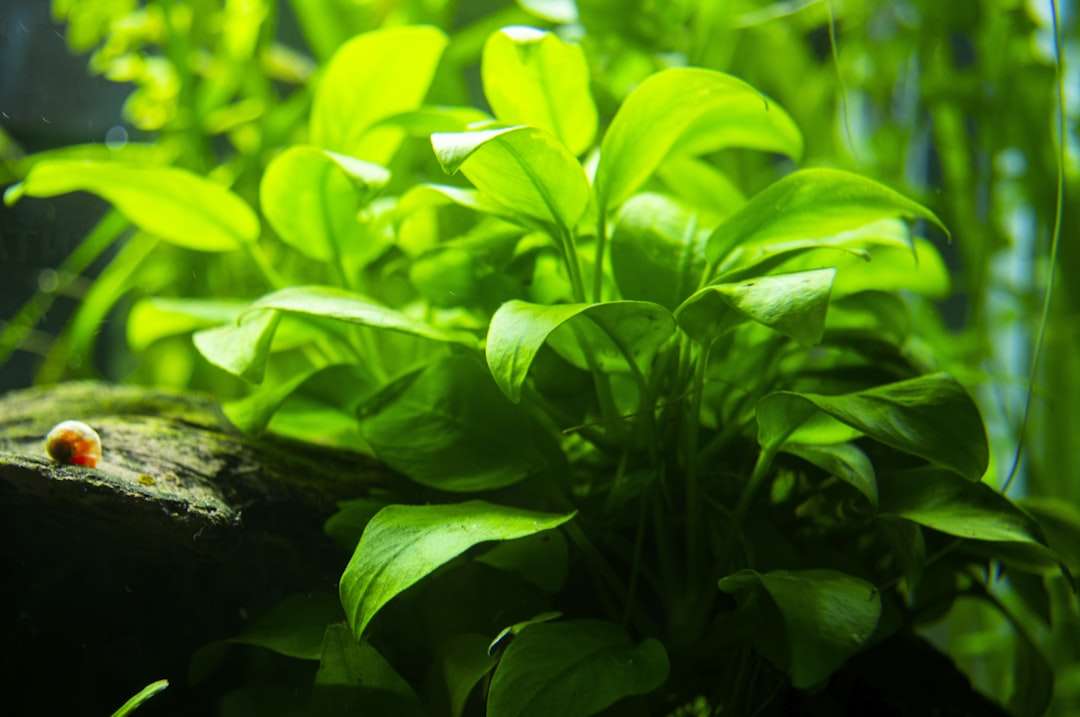
You bought Java Fern narrow leaf expecting an easy plant. It looked elegant with its thin, pointed leaves. But after a year in your tank, it keeps deteriorating—leaves melting, growth stunted, no recovery despite proper lighting and CO2.
Your tap water is hard, and narrow leaf Java Fern cannot handle it.
The practical solution: switch to plants that actually thrive in hard water.
The Best Alternatives
Three low-maintenance plants work where Java Fern narrow leaf fails:
- Standard Java Fern (Microsorum pteropus) - Same care, better tolerance
- Anubias species (Anubias barteri, Anubias nana) - Extremely hardy epiphytes
- Java Moss (Taxiphyllum barbieri) - Nearly indestructible
All three share Java Fern’s easy care requirements:
- Attach to hardscape, no substrate needed
- Low to moderate light
- No special fertilization
- Survive in a wide range of temperatures
But they tolerate hard water far better than the narrow leaf cultivar.
Why These Plants Work
Hard water contains high levels of calcium and magnesium carbonates. Many soft-water plants cannot process these minerals efficiently. The recommended alternatives evolved in diverse environments and developed mechanisms to handle mineral-rich water.
Standard Java Fern and Anubias come from West African streams with variable mineral content. They adapted to survive fluctuations in hardness. Java Moss grows in almost every freshwater condition worldwide—it tolerates hard water as readily as soft.
All three are epiphytes: they attach to rocks or driftwood rather than rooting in substrate. This makes them as easy to position as narrow leaf Java Fern.
Standard Java Fern vs. Narrow Leaf
The broad leaf variety looks different but requires identical care:
| Feature | Standard Java Fern | Narrow Leaf |
|---|---|---|
| Leaf width | 2-4 cm | 0.5-1 cm |
| Leaf shape | Broad, tapered | Thin, pointed |
| Hard water tolerance | High | Low |
| Growth rate | Moderate | Slow |
| Care difficulty | Easy | Moderate in hard water |
Standard Java Fern develops broader, more textured leaves. It fills space differently but provides the same visual interest. Most importantly, it survives where narrow leaf melts.
Attach it the same way: tie the rhizome to driftwood or rock with fishing line or cotton thread. Never bury the rhizome in substrate.
Anubias Species
Anubias offers thicker, darker leaves and a more structured appearance:
- Anubias barteri - Larger leaves, good for background placement
- Anubias nana (nana petite) - Small leaves, ideal for foreground or nano tanks
- Anubias coffeefolia - Distinctive wrinkled leaf texture
Anubias tolerates virtually any water hardness. It grows slower than Java Fern but lasts longer without maintenance. The thick rhizome stores nutrients, making it extremely resilient.
Attach Anubias like Java Fern: tie to hardscape, keep rhizome above substrate. It prefers slightly lower light than Java Fern and may develop algae on leaves if light is too strong.
Java Moss
Java Moss is the most forgiving option:
- Grows as a carpet, wall, or attached to surfaces
- Tolerates all water parameters
- Propagates by simply cutting and relocating pieces
- No rhizome—just thread-like stems
Java Moss works well for breeding tanks, shrimp tanks, or covering hardscape. It does not have the structured leaf appearance of Java Fern, but it creates a natural, soft texture.
Attach it by pressing against surfaces or tying loosely with thread. It eventually anchors itself.
How to Choose
Pick based on your tank aesthetic:
- Want broad leaf coverage? Choose standard Java Fern
- Prefer structured, dark leaves? Choose Anubias
- Need carpeting or wall coverage? Choose Java Moss
- Want multiple textures? Mix two or three together
All three work in hard water with minimal maintenance. None require substrate planting, CO2 injection, or specialized fertilizers.
Transition Tips
When switching from narrow leaf Java Fern:
- Remove the deteriorating plant completely
- Clean the attachment spot on your hardscape
- Position the new plant at the same location
- Tie securely with thread until it anchors
- Wait 2-4 weeks for new growth to establish
You do not need to change your light, temperature, or fertilization routine. The alternatives grow in the same conditions where narrow leaf failed.
Common Mistakes
Burrowing Anubias or Java Fern rhizomes
Never bury the rhizome in substrate. The rhizome must stay exposed to water flow. Buried rhizomes rot and the plant dies.
Expecting instant coverage
These plants grow slowly. Give them weeks to months to establish. Java Moss spreads fastest; Anubias grows slowest.
Using too much light for Anubias
Anubias prefers moderate light. High light causes algae growth on the thick leaves. Position it in shaded areas or reduce light intensity.
Not securing the plant initially
New epiphytes need time to attach. Tie them firmly to hardscape until roots grab the surface. Untied plants float away.
Summary
When Java Fern narrow leaf fails in hard water, switch to tolerant alternatives:
- Standard Java Fern - Same care, broader leaves, survives hard water
- Anubias - Thick, dark leaves, extremely hardy
- Java Moss - Soft texture, survives everything
All three attach to hardscape, require no substrate, and tolerate the conditions that kill narrow leaf Java Fern. Choose based on the visual effect you want, not based on care difficulty—they are all equally easy.
Comments