White Pustule on Fish Head: Bacterial Infection vs Hole-in-Head Disease
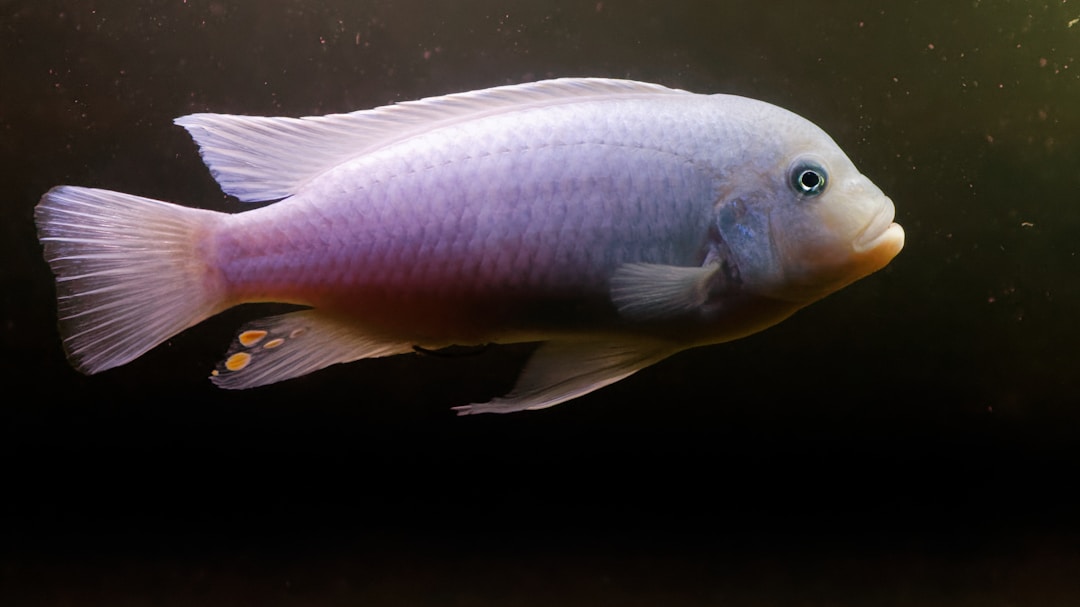
The Problem: A White Bump on Your Fish’s Head
You notice a white pustule or bump on your fish’s head. It may look like a small blister or raised spot. What is it, and how should you treat it?
The answer depends on what caused it. Two common conditions produce similar symptoms:
- Bacterial ulcer or infection
- Hole-in-head disease (Hexamita parasite)
Each requires different medication. Using the wrong treatment wastes time and risks your fish’s health.

Direct Answer
A white pustule can indicate bacterial infection or parasitic hole-in-head disease. Here’s how to tell them apart:
| Feature | Bacterial Ulcer | Hole-in-Head Disease |
|---|---|---|
| Appearance | Raised, red/inflamed sore | White spot that becomes a pit or crater |
| Location | Often on body or fins | Typically on head near eyes or lateral line |
| Progression | May spread rapidly | Slowly deepens into erosion |
| Other signs | Redness, swelling | Stringy feces, weight loss, appetite loss |
| Primary cause | Bacteria (Aeromonas, Pseudomonas) | Hexamita protozoan parasite |
Key distinction: Hole-in-head disease creates pits and erosions in the skin. Bacterial ulcers tend to be raised and inflamed without deep crater formation.
Why Accurate Diagnosis Matters
Different causes need different treatments:
- Bacterial infection → Methylene blue, salt baths, or antibiotics
- Hexamita parasite → Metronidazole (specific antiparasitic)
Using antibacterial medication for a parasitic infection fails to kill the cause. The disease continues while you wait for improvement. Using antiparasitic medication for a simple bacterial ulcer adds unnecessary stress.
Diagnosis Checklist
Before medicating, observe your fish carefully:
Signs Pointing to Hole-in-Head Disease (Hexamita)
- White pustule is on the head region near eyes or nostrils
- Lesion develops into a pit or crater over days
- Fish shows loss of appetite and weight loss
- Stringy, white or mucus-covered feces
- Fish is a cichlid (blood parrot, discus, oscars are prone)
- Water temperature has been low or fluctuating
Signs Pointing to Bacterial Ulcer
- Lesion is raised and red/inflamed
- Sore appears on body or fins, not just head
- Redness spreading around the wound
- Fish otherwise eating and active
- Recent injury or abrasion at the site
- Water quality issues (high ammonia, dirty tank)
Mixed Cases
Hole-in-head lesions often develop secondary bacterial infections after ulcerating. If you see both pit formation and red inflammation, treat for the parasite first, then address bacteria.
Treatment Options
For Bacterial Ulcers
- Methylene blue — Apply directly to the sore or add to water (follow package instructions)
- Salt baths — 1-3 teaspoons per gallon for 10-15 minutes daily
- Antibiotics — Oxytetracycline or similar if infection is severe or spreading
- Clean water — Essential for bacterial wound healing
For Hole-in-Head Disease
- Metronidazole — The specific treatment for Hexamita
- Mix 250-500 mg per 100 g of food
- Feed exclusively for 7-10 days
- Or add 250 mg per 10 gallons of water every 48 hours
- Raise temperature — 82-86°F speeds recovery
- Clean water — Regular changes during treatment
- Supportive nutrition — Vitamin-enriched foods
When to Combine Treatments
If a Hexamita lesion has ulcerated and shows bacterial infection signs:
- Complete the metronidazole course first (7-10 days)
- Then treat bacterial infection if still present
- Do not mix medications simultaneously unless guided by a veterinarian
Common Mistakes
- Guessing instead of observing — Look for all symptoms before choosing treatment
- Treating bacteria when it’s Hexamita — Methylene blue won’t kill the parasite
- Treating Hexamita when it’s bacteria — Metronidazole is unnecessary for simple wounds
- Stopping treatment early — Complete the full course
- Ignoring water quality — Both conditions worsen in dirty water
Prevention
Both conditions link to stress and environment:
- Maintain stable, appropriate temperature (warm for cichlids)
- Keep ammonia and nitrite at zero
- Perform regular water changes
- Feed a varied, nutritious diet
- Avoid overcrowding
- Quarantine new fish
Summary Decision Flow
- Observe the lesion — Is it a pit/crater or a raised/inflamed sore?
- Check other symptoms — Appetite, feces, activity level
- Consider the fish species — Cichlids are prone to Hexamita
- If pit + appetite loss + stringy feces → Treat for Hexamita with metronidazole
- If raised + red + eating normally → Treat as bacterial with methylene blue or salt
- If mixed signs → Treat parasite first, then bacteria if needed
Early identification and correct treatment give your fish the best recovery chance. Watch carefully before medicating, and complete the full treatment course.
Comments