How to Treat Hole-in-Head Disease in Blood Parrot Cichlids: Metronidazole Protocol
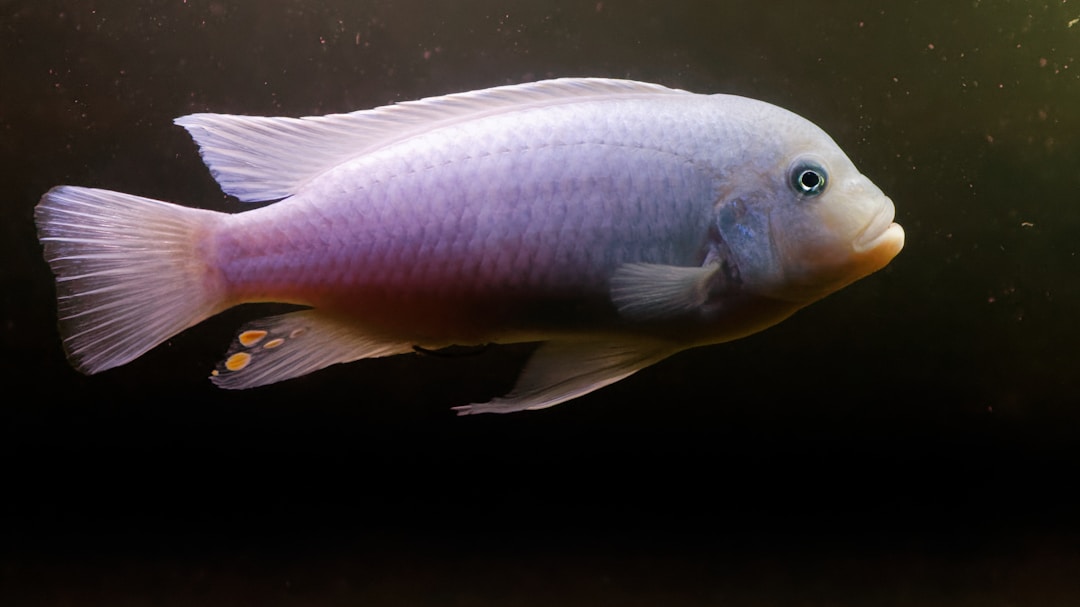
What Is Hole-in-Head Disease?
Hole-in-head disease, also called head erosion or lateral line erosion, is caused by the Hexamita parasite. This single-celled protozoan infects the digestive tract and can spread to the head region, causing visible lesions.
If you notice a white pustule or pit on your fish’s head, it may be this condition. Blood parrot cichlids and other cichlids are particularly vulnerable.

How to Identify the Symptoms
Look for these signs:
- White pustules or bumps on the head, near the eyes or nostrils
- Small pits or craters forming in the skin
- Stringy white feces from intestinal infection
- Loss of appetite and weight loss
- Lethargy and hiding behavior
The lesion often starts as a small white spot. Over time, it may deepen into a pit or ulcerate. Secondary bacterial infections can develop at these open wounds.
Why Metronidazole Is the Right Treatment
Metronidazole specifically targets anaerobic protozoan parasites like Hexamita. It disrupts the parasite’s DNA synthesis, stopping its replication.
Do not use methylene blue or general antibiotics as primary treatment. These may help secondary bacterial infections, but they do not kill the Hexamita parasite. Using the wrong medication wastes time and lets the disease progress.
Treatment Protocol
Follow this step-by-step approach:
1. Isolate the Fish
Move the affected fish to a quarantine tank. This prevents spread to other fish and lets you control treatment conditions.
2. Prepare Metronidazole Treatment
You can administer metronidazole in two ways:
In food (more effective):
- Mix 250-500 mg metronidazole per 100 g of food
- Soak pellets or flakes in a dissolved solution
- Feed exclusively for 7-10 days
In water (backup method):
- Add 250 mg per 10 gallons of water
- Repeat every 48 hours for 3-4 treatments
- Remove carbon from filter during treatment
The food method delivers medication directly to the parasite in the gut. This is preferred for Hexamita infections.
3. Raise Water Temperature
Increase temperature to 82-86°F (28-30°C). This accelerates the fish’s metabolism and immune response while making the parasite more vulnerable.
Note: Blood parrot cichlids prefer warmer water anyway. They are sensitive to low temperatures.
4. Maintain Water Quality
- Keep ammonia and nitrite at zero
- Perform 25-30% water changes every 2-3 days during treatment
- Use a sponge filter to avoid medication removal
5. Support Recovery with Nutrition
Offer vitamin-enriched foods. Garlic-soaked pellets can stimulate appetite and have mild antibacterial properties.
What to Watch During Treatment
Improvement should show within 5-7 days:
- The pustule may shrink or flatten
- Appetite should return
- Activity level increases
If the lesion worsens or spreads, a secondary bacterial infection may be present. In this case, add an antibiotic like Oxytetracycline after completing the metronidazole course.
Common Mistakes to Avoid
- Stopping treatment early — Complete the full 7-10 day course even if symptoms improve
- Using wrong medication — Methylene blue and general antibiotics do not kill Hexamita
- Ignoring water quality — Poor water stresses the fish and slows recovery
- Not quarantining — Hexamita can spread through shared water and contaminated equipment
Prevention Tips
Hole-in-head disease is linked to stress and poor conditions. Prevent it by:
- Keeping water temperature stable and appropriate for your species
- Maintaining excellent filtration and regular water changes
- Feating a varied, nutritious diet
- Avoiding overcrowding
- Quarantining new fish before adding to the main tank
Summary
A white pustule on your cichlid’s head often signals Hexamita parasite infection. Use metronidazole in food for 7-10 days while maintaining warm, clean water. Treat the parasite first, then address any secondary bacterial infections. Complete the full treatment course and quarantine the fish to prevent spread.
Early treatment gives the best chance of recovery. Watch for appetite and energy improvements within the first week.
Comments