Is 21°C Safe for Tropical Fish in Winter? Temperature Guide for Tetras and Guppies
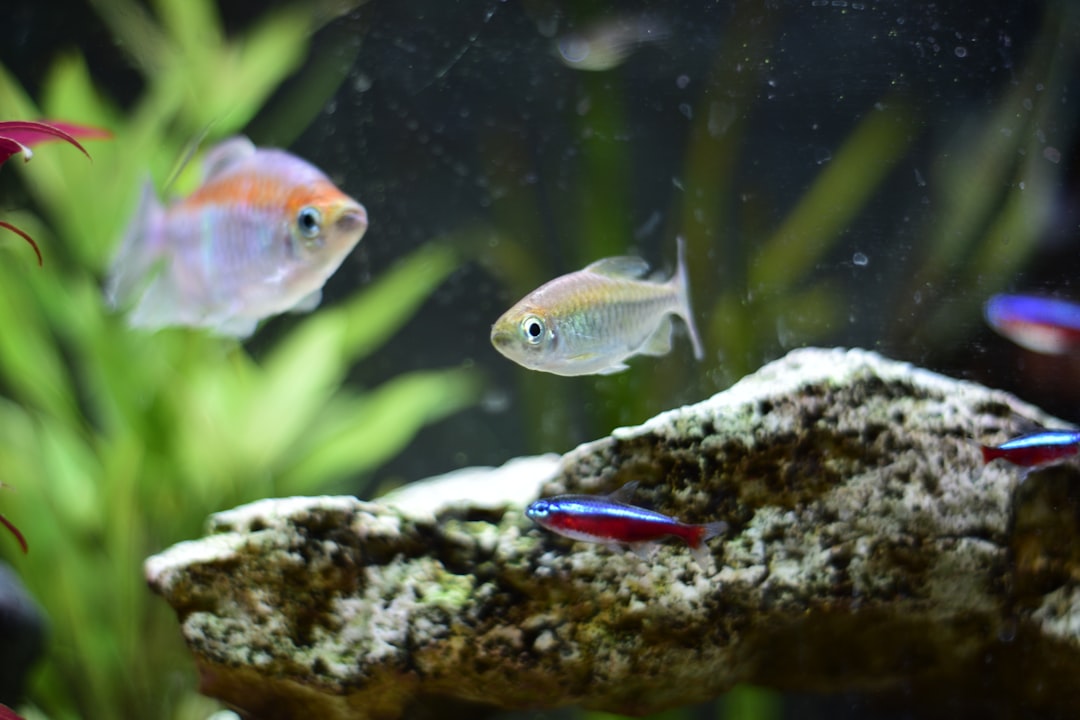
Many aquarists ask whether 21°C (70°F) is safe for tropical fish during winter, especially when using floor heating or room heating instead of aquarium heaters. The answer is yes, 21°C is generally safe for most tropical community fish. Species like guppies, neon tetras, cardinal tetras, and pencil tetras thrive at this temperature. The key factor is stability—a constant 21°C is safer than fluctuating between 20°C and 26°C.
Temperature Tolerance by Species
Different fish have different temperature preferences based on their native habitats. Here is a guide for common community fish:
Fish That Do Well at 21°C
| Species | Temperature Range | Notes |
|---|---|---|
| Guppies | 18-28°C | Very adaptable, breed well at 21°C |
| Neon Tetras | 20-26°C | Comfortable at 21°C with stable conditions |
| Cardinal Tetras | 22-26°C | Can handle 21°C if acclimated slowly |
| Pencil Tetras | 22-26°C | Similar to cardinals, adaptable |
| Cherry Barbs | 20-26°C | Thrive at cooler temperatures |
| White Cloud Mountain Minnows | 18-22°C | Prefer cooler water, ideal at 21°C |
| Otocinclus Catfish | 20-26°C | Good algae eaters for cooler tanks |
Fish That Prefer Warmer Water
| Species | Preferred Range | Notes |
|---|---|---|
| Bettas | 24-28°C | Prefer warmer, may be sluggish at 21°C |
| Discus | 26-30°C | Require warmer water |
| Ram Cichlids | 25-28°C | Need stable warmth |
| Angelfish | 24-28°C | Better above 24°C |
If you keep species that prefer warmer water, you should use a heater even if room temperature stays around 21°C.
Why Stability Matters More Than Exact Temperature
Fish tolerate a range of temperatures when that range is stable. The danger comes from rapid fluctuations. When a heater cycles on and off, or when room temperature swings between day and night, fish experience stress.
What Causes Temperature Fluctuations
- Heater thermostat cycling (on/off pattern)
- Room heating that turns off at night
- Sunlight warming the tank during day
- Drafts from windows or doors
- Water changes with mismatched temperature
How to Maintain Stability
If you use floor heating or room heating:
- Position the tank away from windows and drafts
- Use a thermometer to monitor daily swings
- Add a small heater set to the room temperature as backup
- Match water change temperature to tank temperature
Even a low-wattage heater set to 21°C helps prevent overnight drops when floor heating cycles.
Real Aquarist Experiences
Aquarists who use floor heating report success with cooler tanks:
- Many keep tetras and guppies at 21-22°C without heaters
- Some report fish thriving at 18°C during winter months
- One tank survived a week at 17°C during heating transition with no issues
- Fish in floor-heated rooms show stable behavior and good coloration
The common factor is stable ambient temperature from floor heating, which avoids the on/off swings of conventional heaters.
Benefits of Cooler Temperatures
Keeping fish at 21°C instead of 26°C has advantages:
Slower Metabolism
Fish metabolism slows at cooler temperatures. This means:
- Less food required
- Less waste produced
- Lower ammonia load on the filter
- Fish grow more slowly but often live longer
Fewer Disease Outbreaks
Some pathogens reproduce faster at warmer temperatures. Cooler tanks may experience:
- Slower spread of bacterial infections
- Less aggressive algae growth
- More stable water parameters
Energy Savings
Not running a heater saves electricity. Floor heating already warms the room, so maintaining 21°C costs nothing extra.
When You Should Use a Heater Anyway
Even with floor heating, some situations require a heater:
Species Requirements
If you keep bettas, discus, or other warm-water species, use a heater to maintain their preferred range.
Room Temperature Variability
If your room temperature drops below 18°C at night, add a heater to prevent dangerous swings.
Breeding Projects
Some fish breed more readily at warmer temperatures. If you want to trigger spawning, raise temperature gradually.
Sick Fish
Disease treatment often works better at warmer temperatures. Heat can speed parasite life cycles for easier treatment.
Acclimating Fish to Cooler Temperatures
If you move fish from a warmer tank (26°C) to a cooler tank (21°C):
- Float the transport bag in the new tank for 20-30 minutes to equalize temperature.
- Add small amounts of tank water to the bag every 10 minutes.
- Release fish after 1-2 hours of gradual mixing.
Never dump fish directly from warm water into cooler water. Rapid drops shock fish and can cause stress or death.
Signs of Temperature Stress
Watch for these indicators if your fish seem uncomfortable:
- Fish hovering near the heater (if present)
- Clamped fins held tight to the body
- Fish sitting on the bottom or hiding
- Reduced appetite or slow feeding
- Pale coloration
If you see these signs, check temperature stability and consider whether the species prefers warmer conditions.
Summary
21°C is safe for most tropical community fish including guppies, tetras, and cherry barbs. Stability is more important than the exact temperature—avoid swings of more than 2°C per day. Floor heating provides stable ambient warmth that works well for many species. Use a heater if you keep warm-water species like bettas, if room temperature fluctuates widely, or if you need to treat disease. Acclimate fish gradually when moving between different temperatures.
Comments