How to Remove Water Stains from Aquarium Glass: Safe Methods That Work
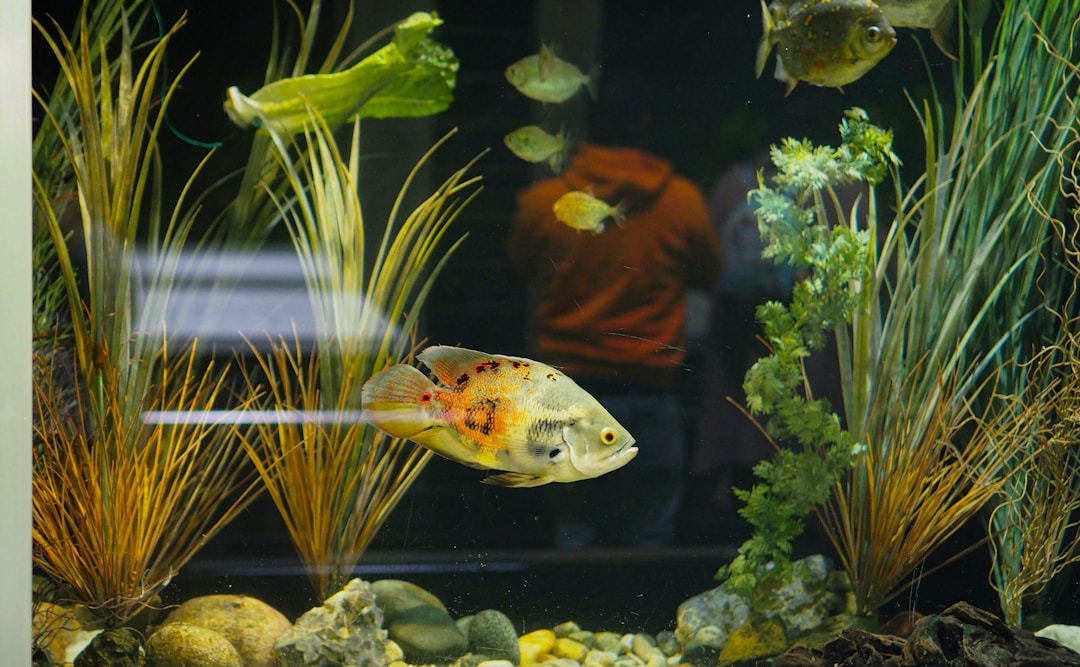
White crusty stains on your aquarium glass are ugly and make your tank look neglected. The good news: you can remove them safely without harming your fish.
The Quick Answer
The safest way to remove water stains from aquarium glass is with a mild acid solution. Mix white vinegar or citric acid 1:1 with water, apply it with a soft cloth, let it sit for 1-2 minutes, then wipe away. For stubborn buildup, use a razor blade scraper on large flat areas. Always rinse thoroughly afterward.
Why Water Stains Form
Those white stains are mineral deposits left behind when water evaporates. Hard water contains dissolved calcium and magnesium. When the water evaporates, these minerals stay on the glass and bond to the surface over time.
The result: a crusty white ring at the water line that gets harder to remove the longer you ignore it.
Method 1: Vinegar Solution (Best for Most Tanks)
This is the go-to method for regular glass aquariums.
What You Need
- White vinegar (5% acetic acid)
- Clean spray bottle or soft cloth
- Clean water for rinsing
- Soft microfiber cloth
Steps
- Mix the solution: Combine equal parts white vinegar and water in a spray bottle.
- Apply to stained areas: Spray or wipe the solution onto the stains above the water line.
- Wait 1-2 minutes: Let the acid break down the mineral bonds.
- Wipe clean: Use a soft cloth to remove the dissolved deposits.
- Rinse thoroughly: Wipe the area with clean water several times to remove any vinegar residue.
- Dry with a clean cloth: Prevent new mineral buildup by drying the glass completely.
Tips
- For light stains, one application is enough.
- For heavier buildup, repeat the process or let the solution sit longer (up to 5 minutes).
- Work in small sections so the solution doesn’t dry before you wipe it.
Method 2: Citric Acid (Fast and Effective)
Citric acid works faster than vinegar and leaves less smell. It is especially good for thick deposits.
What You Need
- Citric acid powder (available online or at grocery stores)
- Spray bottle
- Soft cloth
- Clean water
Steps
- Make the solution: Dissolve 1 tablespoon citric acid in 1 cup warm water.
- Spray onto stains: Cover the affected areas completely.
- Let it react: Wait 2-3 minutes. You may see slight bubbling as it dissolves the minerals.
- Wipe away: Use a soft cloth to remove the loosened deposits.
- Rinse well: Citric acid residue must be fully removed before the area contacts tank water.
Why It Works
Citric acid is stronger than vinegar but still safe when properly rinsed. It breaks down calcium carbonate deposits quickly without scrubbing.
Method 3: Lemon Slices (Natural Option)
For light stains, lemon works the same way as vinegar and citric acid. The citric acid in lemon juice dissolves mineral deposits.
Steps
- Cut a lemon into slices.
- Rub the cut side directly onto the stains.
- Let the juice sit for 2-3 minutes.
- Wipe with a damp cloth.
- Rinse thoroughly.
This method is gentle but takes more effort for heavy stains.
Method 4: Razor Blade Scraper (For Stubborn Deposits)
When stains have built up over months, scraping may be necessary. This method works best on large flat glass panels.
What You Need
- Single-edge razor blade scraper
- Glass cleaner blade holder (optional but safer)
- Soft cloth
Steps
- Hold the blade at a 30-45 degree angle against the glass.
- Scrape in smooth, overlapping passes.
- Wipe away loosened debris as you work.
- Clean the glass with vinegar afterward to remove any remaining residue.
Important Warnings
- Test first: If you have ultra-clear (low-iron) glass, test a small hidden area. Some ultra-clear glass is softer and scratches more easily.
- Never use steel wool: It scratches glass, especially premium ultra-clear panels.
- Keep the blade sharp: A dull blade can gouge the glass.
What NOT to Use
Avoid these methods. They can damage glass or harm your fish:
- Abrasive pads: Scrubbing pads and steel wool scratch glass surfaces.
- Household cleaners: Glass cleaners with ammonia or chemicals leave toxic residue.
- Bleach or harsh chemicals: Dangerous if any residue enters the tank water.
- Sharp metal tools: Anything harder than glass can leave permanent scratches.
Acrylic Tanks: Special Rules
Acrylic is softer than glass. Use only these safe methods:
- Vinegar solution (1:1 with water)
- Soft microfiber cloth only
- Plastic scraper designed for acrylic
Never use razor blades or any abrasive tool on acrylic. Scratches in acrylic are permanent and difficult to polish out.
Prevention Tips
Once you remove the stains, keep them from coming back:
- Wipe the glass above the water line weekly: A quick wipe with a damp cloth prevents buildup.
- Use distilled or RO water for top-offs: Pure water leaves no minerals behind.
- Maintain a steady water level: Less evaporation means fewer deposits.
- Consider an auto top-off system: Keeps water level constant and reduces evaporation exposure.
Quick Reference: Method by Stain Severity
| Stain Type | Best Method | Time Needed |
|---|---|---|
| Light haze | Vinegar wipe | 1-2 minutes |
| Visible ring | Vinegar or citric acid spray | 3-5 minutes |
| Thick crust | Citric acid + scraper | 5-10 minutes |
| Months of buildup | Scraper + acid treatment | 15+ minutes |
Summary
Hard water stains dissolve with mild acids. Vinegar and citric acid are safe, effective, and inexpensive. For stubborn deposits, a razor blade scraper speeds up the job. Always rinse thoroughly, avoid abrasives, and wipe down your tank weekly to prevent stains from forming again.
Your aquarium deserves to look clear and clean. A few minutes of maintenance keeps the glass spotless and your fish visible.
Comments