Why Does Established Aquarium Water Suddenly Turn Cloudy White?
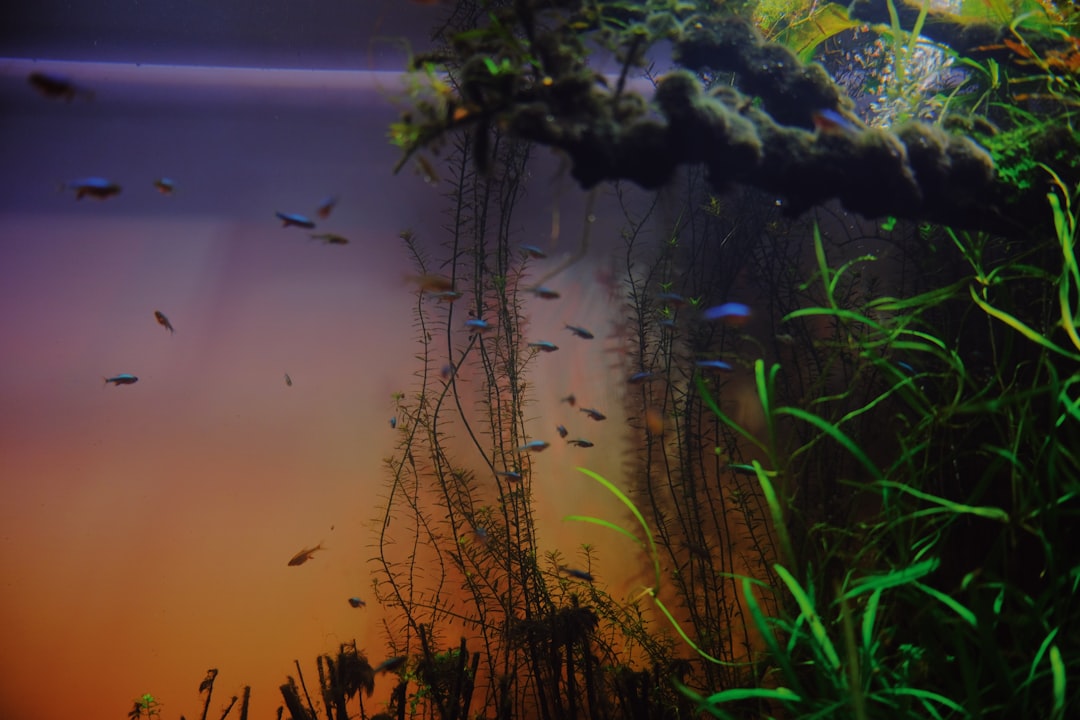
You maintained your aquarium for months without any problems. The water was clear, the fish were healthy, and the routine was stable. Then one morning you notice the water has turned milky white overnight. Nothing changed in your maintenance schedule, yet the tank suddenly looks like someone poured milk into it.
The Direct Answer
Sudden cloudy white water in an established tank signals a nitrifying bacteria crash. The beneficial bacteria that process fish waste have died off or become insufficient to handle the bioload. This triggers a bloom of heterotrophic bacteria that multiply rapidly in the water column, creating the visible cloudiness.
The condition is called a “bacterial bloom” or “bacterial bloom crisis.” It is not algae. It is not a chemical problem. It is a biological filter failure that allows organic waste to accumulate and feeds an explosion of free-swimming bacteria.
Why This Happens in Established Tanks
Your tank appeared stable, but the bacterial colony may have been operating on a fragile margin. Several factors can push that margin over the edge:
Low Stocking Creates a Weak Colony
Tanks with very few fish or shrimp have limited waste production. The nitrifying bacteria colony grows to match that low bioload. The colony stays small because there is not enough ammonia to support a larger population.
When something disrupts even this small colony, there are no backup bacteria to take over. A tank with heavy stocking has a robust, distributed bacterial population across filter media, substrate, and decorations. A tank with ten ghost shrimp and a sponge filter has almost all its bacteria concentrated in one place.
Sponge Filters Have Limited Surface Area
Sponge filters provide biological filtration, but they offer less surface area than canister filters or hang-on-back filters with dedicated biomedia. The bacteria live primarily in the sponge itself. If the sponge gets clogged, cleaned too aggressively, or experiences reduced water flow, the bacterial population can drop sharply.
A tank that relies entirely on a sponge filter for biological filtration carries higher risk. The bacterial colony has fewer places to recover if the main sponge is compromised.
Subtle Changes Add Up
The crash may not come from one obvious event. Small changes can accumulate until they tip the balance:
- A slight increase in feeding over several weeks
- Decomposing plant matter that was not removed
- A minor temperature shift that slows bacterial reproduction
- Reduced water flow from a partially clogged sponge
None of these changes looks serious on its own. Together, they can weaken the colony enough that a minor stressor triggers a collapse.
Warning Signs Before the Crash
Most bacterial crashes do not happen completely without warning. Look for these indicators in the days before the water turns cloudy:
- Slight haze that does not clear after water changes
- Ammonia or nitrite readings that were previously zero
- Fish or shrimp acting less active or breathing faster
- Water parameters changing without explanation
- Filter output reduced or sponge feeling softer than usual
If you catch these signs early, you can take preventive action before the full bloom appears.
The Difference Between Bacterial Bloom and Green Water
Not all cloudy water is the same problem. You need to distinguish between bacterial bloom and algae bloom:
| Feature | Bacterial Bloom | Algae Bloom (Green Water) |
|---|---|---|
| Color | Milky white or gray | Green tint |
| Smell | None or slight organic smell | Possible earthy smell |
| Timing | Sudden, often overnight | Gradual over days |
| Light response | No change with lighting | Gets worse with strong light |
| Water tests | May show ammonia or nitrite | Usually normal parameters |
Bacterial bloom is white or grayish. Algae bloom looks green. If your water turned white suddenly, it is almost certainly a bacteria problem, not algae.
Risk Factors That Make Your Tank Vulnerable
Some tank setups carry higher risk for bacterial crashes:
1. Very Low Stocking
Tanks with only a few shrimp or small fish have minimal bacterial colonies. Any disruption can wipe out the limited population.
2. Single Filter Type
Tanks that use only one filter type (especially sponge filters) have no backup biological filtration. If that filter’s bacteria are compromised, the entire system crashes.
3. Infrequent Maintenance
Skipping water changes allows organic waste to build up slowly. The bacterial colony adjusts to handle higher waste, but this stretched capacity leaves no margin for additional stress.
4. Recent Medication
Some medications affect bacteria. Even treatments that target fish pathogens can harm nitrifying bacteria as collateral damage.
5. Temperature Swings
Nitrifying bacteria work best within a stable temperature range. Sudden drops or rises slow their reproduction and can reduce colony size.
How to Prevent Future Crashes
Once you understand why crashes happen, prevention becomes straightforward:
Maintain Consistent Water Changes
Regular water changes remove accumulated waste before it overwhelms the bacterial colony. Even low-stocked tanks benefit from weekly or biweekly changes.
Diversify Biological Filtration
Add biomedia to your filter setup. Ceramic rings, bio-balls, or extra sponge material give bacteria more places to colonize. If one area is compromised, other areas maintain the colony.
Test Parameters Regularly
Ammonia and nitrite should read zero in a cycled tank. Any positive reading means the bacterial colony is not processing waste fast enough. Early detection lets you act before a bloom develops.
Feed Carefully in Low-Stocked Tanks
Low stocking means low waste. Match your feeding to the actual bioload. Overfeeding adds organic waste that the small bacterial colony cannot handle.
Clean Filters Gently
Never deep-clean all your filter media at once. Rinse sponge filters in tank water, not tap water. Tap water chlorine kills bacteria. Leave some media untouched during cleaning to preserve the colony.
Quick Summary
Sudden white cloudy water in an established tank means the nitrifying bacteria crashed. The bloom of heterotrophic bacteria creates the visible cloudiness. Tanks with low stocking, single filter types, or inconsistent maintenance carry higher risk.
Watch for early warning signs like slight haze or parameter changes. Prevent crashes by diversifying biological filtration, maintaining water changes, and testing regularly.
If your tank has already turned cloudy, the problem is treatable. The companion article “How to Fix Cloudy White Aquarium Water” provides the step-by-step treatment protocol.

Comments