Why Does Bacterial Film Suddenly Appear After Filter Cleaning?
You just cleaned your filter, restarted it, and now you see white cotton-like flakes drifting through your tank. This is a common experience for aquarium owners. The direct answer: flow changes and physical disturbance during filter maintenance dislodge the biofilm that has built up on surfaces inside your filter system. When you adjust flow rates, restart a stopped filter, or purge air from the system, the attached bacterial colonies can break free and float into the water.
The Mechanism: How Biofilm Detaches
Biofilm is a thin layer of beneficial bacteria that grows on all submerged surfaces in a mature aquarium. Inside your filter system, it coats:
- The inner walls of filter tubing and pipes
- The surfaces of filter media (sponges, ceramic rings, pads)
- The intake and outlet structures
This film stays invisible because it is firmly attached. Several maintenance actions can break it loose:
1. Flow Rate Changes
When you increase or decrease the flow rate through your filter, the water movement pattern inside the tubing changes. Biofilm that was stable at one flow speed may detach when the speed shifts. Interestingly, reducing flow can also cause detachment—not just increasing it. If the film built up under higher flow conditions, lowering the speed removes the force that kept it attached.
2. Restarting a Stopped Filter
If your filter was off during cleaning, restarting it sends a surge of water through the system. This initial push can dislodge biofilm that loosened while the filter was stopped.
3. Air Purging
During maintenance, air often enters the filter body or tubing. When you use the manual purge function or simply let the filter run, that air is pushed through the pipes. The moving air bubble physically scrapes biofilm off the inner walls of tubing, sending it into the tank.

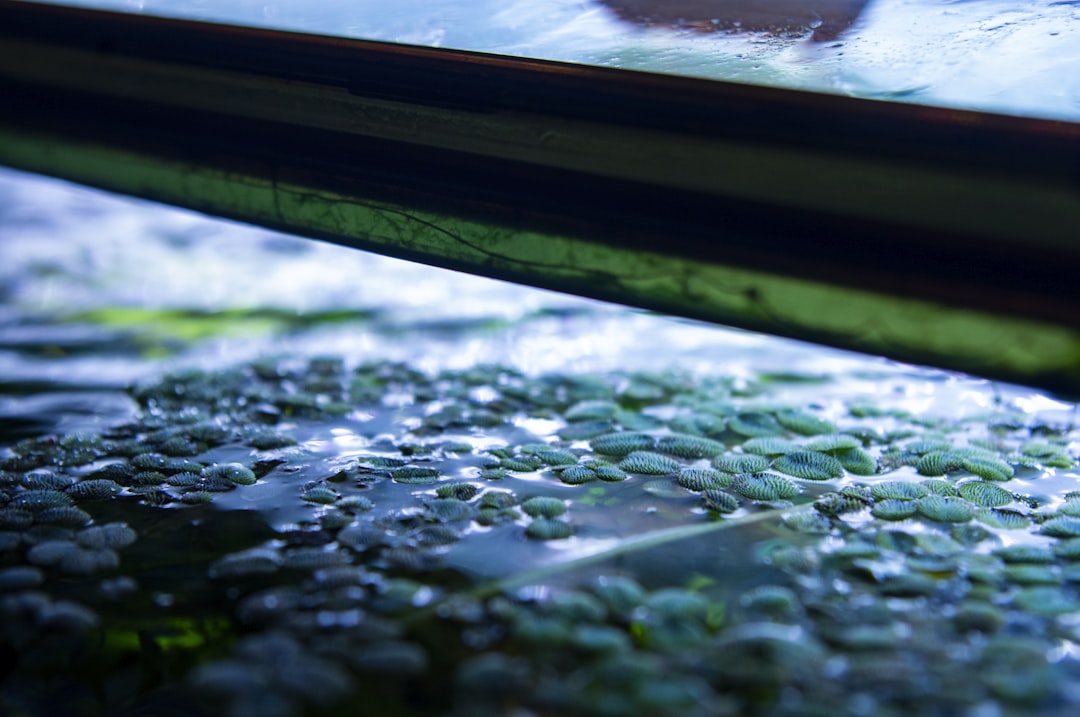
This image shows what dislodged biofilm looks like after filter work—the white particles suspended in the water column.
When You Are Most Likely to See This
Certain conditions make bacterial film more likely to appear after maintenance:
-
Long gap between pipe cleaning: If you have not cleaned your filter tubing in months, biofilm builds up thickly on the pipe walls. Any disturbance during the next maintenance session is more likely to send large amounts floating.
-
Combined maintenance tasks: Doing multiple filter tasks at once—cleaning pre-filters, replacing media, adjusting flow, and purging air—creates multiple triggers for biofilm detachment.
-
Recent water quality changes: If you cleaned filter cotton or replaced media recently, water parameters may still be shifting. Bacterial behavior can change during these fluctuations, making film more likely to detach.
-
Reduced flow recently: Many aquarists assume only increasing flow causes problems. But if you recently lowered your flow to minimum settings, the new flow pattern may destabilize biofilm that formed under different conditions.
Is It a Problem?
No. This is a completely normal occurrence. The floating particles are beneficial bacteria—the same organisms that process ammonia and nitrite in your tank. Their presence indicates:
- Your tank has a healthy bacterial colony
- Your filter system has been colonized properly
- The bacteria are responding to environmental changes
The film poses no risk to fish, shrimp, or plants. It will either resettle on new surfaces, get captured by your filter, or be eaten by your cleanup crew.
How to Handle It
Immediate action is rarely needed. The film typically clears within 24 to 48 hours. If you want to speed up the process:
-
Leave the filter running: Do not turn off the filter. Continuous operation allows it to capture floating particles.
-
Add gentle surface agitation: A slight ripple on the water surface helps push floating material toward filter intakes and prevents it from accumulating on the surface.
-
Check for air: If air is still trapped in the filter, purge it gently to avoid sending another surge through the pipes.
-
Let cleanup crew work: Shrimp and snails actively consume biofilm and will help clear the visible particles.
Prevention: Maintenance Best Practices
To reduce how often this happens, adjust your filter maintenance routine:
Do Not Over-Clean Media
Rinse filter sponges and pads in old tank water, not tap water. Clean them gently—do not scrub until they look brand new. Preserving most of the bacteria on your media maintains biological stability.
Clean Pipes Separately from Media
Schedule pipe cleaning as a separate task from media cleaning. Use a flexible pipe brush every few months to remove heavy biofilm buildup. Doing this on its own reduces the combined disturbance that causes large amounts to float.
Space Out Major Tasks
Avoid cleaning pre-filters, replacing media, adjusting flow, and cleaning pipes all in the same session. Spread these tasks across two or three weeks. This gives the bacterial colony time to stabilize between changes.
Test Water After Maintenance
After major filter work, test ammonia, nitrite, and nitrate levels. Sudden changes can indicate that your bacterial colony needs time to recover. If you see ammonia spikes, reduce feeding for a few days while the colony adjusts.
Summary
Bacterial film appearing after filter cleaning is caused by physical and flow disturbances that dislodge biofilm from pipe walls and filter surfaces. It is harmless, indicates a healthy bacterial colony, and clears naturally within a day or two. The best approach is to recognize it as normal, let your filter run, and adjust your maintenance routine to space out tasks and clean pipes periodically. Avoid chemical treatments that could harm your biological filtration.
Comments