How to Remove Oil Film from Aquarium: Electric, Pipe, and Biological Methods Compared
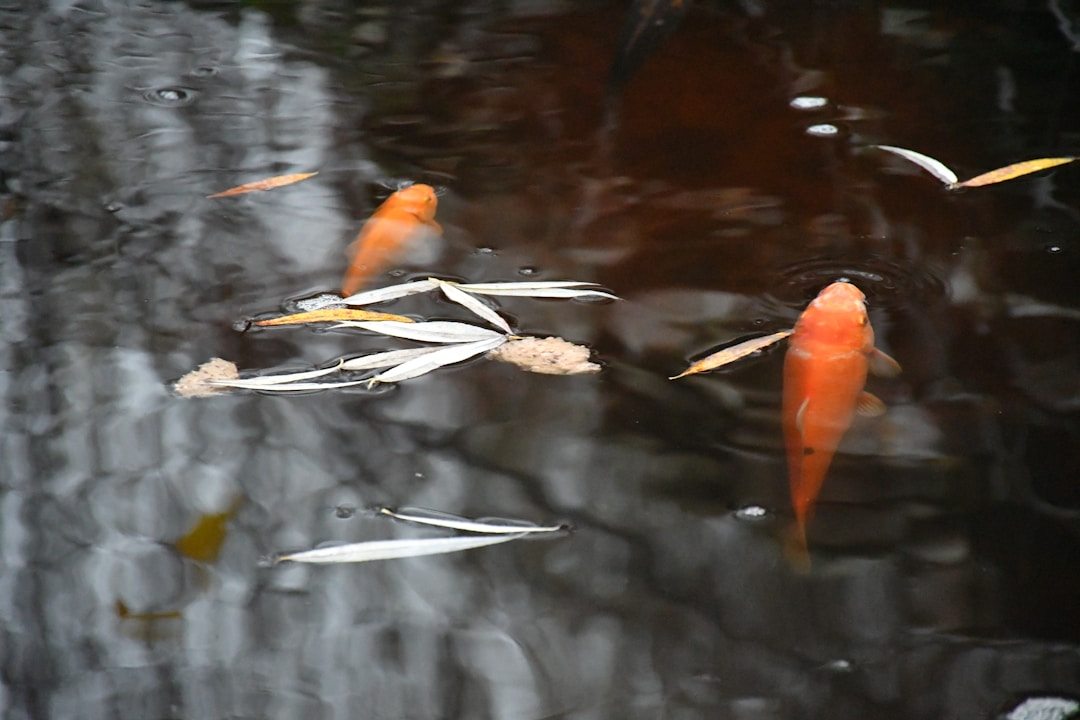
That oily layer on your aquarium water surface is not just ugly. It blocks gas exchange, reduces light penetration, and signals that something in your tank is producing more proteins and lipids than your filtration can handle.
The most reliable method for removing aquarium oil film depends on your tank type: electric surface skimmers work best for medium to large tanks with stable water levels, while small fish like guppies and pearl gouramis provide effective biological control for nano tanks. For goldfish tanks with heavy waste, a DIY surface-suction setup often outperforms delicate commercial units.
Why Oil Film Forms
Oil film appears when proteins and lipids accumulate on the water surface. These compounds come from:
- Fish food, especially lower-quality brands with high fat content
- Fish waste and decaying plant matter
- Dead bacteria from the nitrogen cycle
- Organic compounds released by driftwood or substrate
Surface tension keeps these compounds trapped at the top. Without adequate surface agitation or a dedicated removal method, they build up into a visible film.
Electric Surface Skimmers
Electric surface skimmers actively pull surface water through filter media. They work well when set up correctly but require specific conditions.
How They Work
A floating intake draws water from the surface layer. An internal pump pushes this water through fine filter media that traps proteins and oils. Clean water returns to the tank.
Pros
- Continuous operation without manual adjustment
- Effective for medium and large tanks (60cm and longer)
- Brands like Eheim report 3+ years of reliable service
- Easy maintenance: clean filter cotton every two months
Cons
- Requires stable water level
- Needs adequate flow rate matched to tank size
- Budget brands vary in reliability
Best For
- Planted tanks with canister filters
- Community tanks 60cm or larger
- Tanks with automatic top-off systems that maintain water level
Budget Options
Some users report success with budget electric skimmers like SenSen 5W (around $15-20 USD) for 60cm+ tanks. However, reviews vary. Some swear by it, others report oil returning within a day. Effectiveness depends heavily on individual tank conditions.
Pipe-Based Skimmers
Pipe skimmers attach to your existing filter inlet or outlet. They redirect part of the flow to capture surface film.
Inlet Pipe Skimmers
These attach to the filter intake and pull surface water along with deeper water.
Challenges:
- Difficult to calibrate the balance between surface and deep water intake
- Need precise adjustment of inlet opening size
- Require matching pump flow rate to water level
- Many users abandon this method after failed calibration attempts
Outlet Pipe Skimmers
These attach to filter output and use a special design to skim surface water.
Results vary:
- One user’s plastic unit broke during installation
- Glass versions work better for patient hobbyists who fine-tune flow rates
- Require patience to find the right flow setting
ADA-Style Stainless Steel Skimmers
These elegant pipe attachments have a narrow opening for surface film.
Problem: The opening is often too narrow for effective collection. Users report oil sliding past rather than entering the device. The aesthetic appeal does not match the functional performance.
Best For
- Hobbyists who enjoy tinkering and fine-tuning equipment
- Tanks with adjustable flow pumps
- Those who already use lily pipe outlets and want integrated surface skimming
DIY Surface Suction
For messy goldfish tanks with heavy bioload, DIY surface suction setups often work better than commercial units.
How It Works
A separate pump or modified filter intake pulls water directly from the surface into a dedicated container or pre-filter.
Advantages
- Handles heavy waste loads that overwhelm delicate commercial skimmers
- Can be sized appropriately for goldfish waste output
- Cheaper than premium electric skimmers
Disadvantages
- Requires space for additional equipment
- Needs stable water level or frequent manual adjustment
- More maintenance than self-contained electric units
Best For
- Goldfish tanks with high waste production
- Large tanks where commercial skimmers are undersized
- Hobbyists comfortable with DIY plumbing
Biological Control
Small surface-feeding fish can consume oil film as part of their natural diet. This method works well for nano tanks where mechanical skimmers are impractical.
Best Fish for Oil Film Control
Guppies: Adult guppies are highly effective. Two adult guppies can maintain a 22cm nano tank. Buy adult size only. Fry are too small to help.
Pearl Gourami: These labyrinth fish naturally feed at the surface. Effective for larger nano tanks. Their breathing organ keeps them at the top where oil film collects.
Medaka Rice Fish: Adults have moderate effect. Juveniles provide no oil film control. Stop working when overfed with regular food.
White Cloud Mountain Minnows: Completely ineffective. They do not feed at the surface.
Key to Success
Do not overfeed. Fish that get plenty of regular food ignore the oil film. Slight underfeeding encourages natural foraging behavior.
Best For
- Nano tanks under 30cm where filter flow is too low for mechanical skimmers
- Planted nano tanks with calm water surface
- Supplementing mechanical removal in larger tanks
Choosing the Right Method
| Tank Type | Best Method | Why |
|---|---|---|
| Nano tank (under 30cm) | Biological control | Filter flow too low for mechanical skimmers |
| Planted tank (60cm+) | Electric skimmer | Stable conditions, effective continuous removal |
| Goldfish tank | DIY surface suction | Handles heavy bioload |
| Community tank (60cm+) | Electric skimmer or pipe skimmer | Both viable with good setup |
| Breeding tank | Biological control | Gentle method, no equipment stress |
Common Mistakes
Wrong Water Level
All mechanical skimmers need stable water level. Without an auto top-off system, evaporation changes the level throughout the day. The skimmer stops working when water drops below the intake range.
Insufficient Flow Rate
A skimmer rated for 60cm tanks will struggle on a 90cm tank. Match the skimmer capacity to your tank volume.
Expecting Instant Results
Oil film removal takes time. Electric skimmers may need hours to clear a heavy film. Biological control takes days as fish adjust to the new food source.
Wrong Fish Size
Buying juvenile guppies or medaka for oil film control wastes money. They are too small to consume meaningful amounts. Buy adults.
Ignoring the Root Cause
Oil film signals excess proteins and lipids in your system. If you feed poor-quality food or overfeed heavily, no removal method will keep up. Premium food reduces oil film formation significantly.
When You May Not Need a Skimmer
Some experienced hobbyists consider oil film removers unnecessary if:
- You feed high-quality food with lower fat content
- Your filter outlet creates adequate surface agitation
- You maintain regular water changes
- Your stocking density is appropriate
Surface agitation from a properly positioned filter outlet can prevent film formation in well-maintained tanks.
Summary
For most medium and large tanks with stable conditions, an electric surface skimmer provides reliable continuous removal. Choose reputable brands like Eheim for longevity, or experiment with budget options if you accept variable results.
For nano tanks under 30cm, biological control with adult guppies or pearl gouramis works better than undersized mechanical equipment. Feed sparingly to encourage surface feeding.
For goldfish tanks with heavy waste, DIY surface suction handles the bioload better than delicate commercial units.
Match your method to your tank conditions rather than chasing the most expensive or aesthetic option. A cheap electric skimmer with stable water level outperforms an elegant ADA pipe that cannot capture oil effectively.
Comments