Best Low-Light Aquarium Plants for Tanks Without CO2
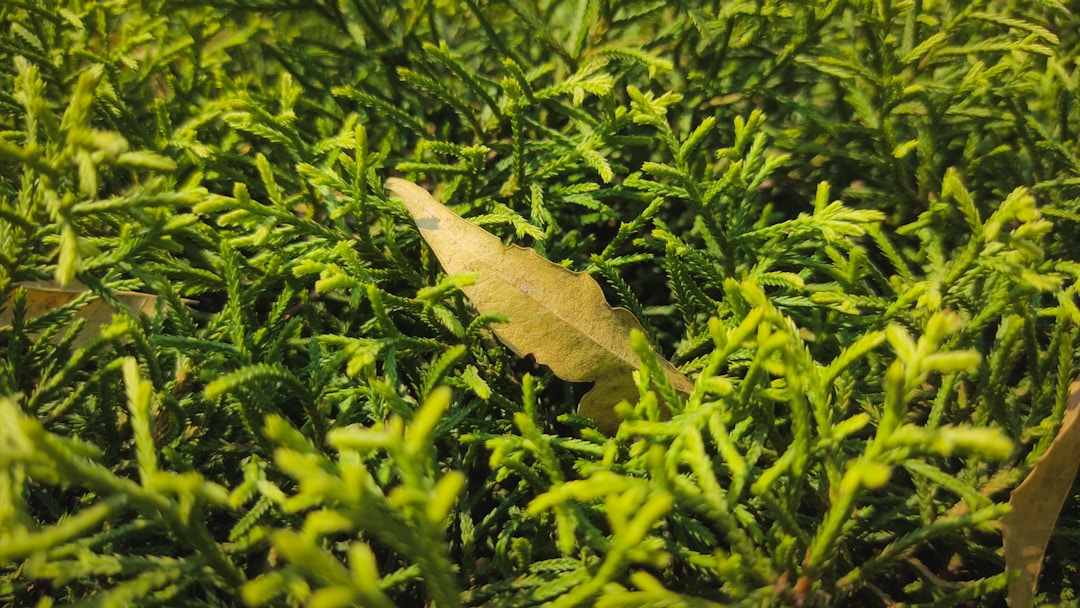
If you want a planted tank but don’t have special aquarium lights or CO2 injection, you can still grow plants successfully. The key is choosing species that naturally thrive in low-light conditions.
The Direct Answer
Low-light plants like anubias, java moss, and java fern can survive in bright ambient light without dedicated aquarium lights. These plants grow slowly but steadily, making them ideal for beginners or low-tech setups. They attach to driftwood or rocks and require minimal maintenance.
Why Low-Light Plants Work
Low-light plants have lower photosynthetic demands. They evolved in shaded streams and riverbanks where light penetration is limited. This means they can thrive with minimal light input and grow slowly, which translates to:
- Less frequent trimming
- Less waste from dead leaves
- More forgiving of beginner mistakes like irregular water changes
- No need for CO2 injection or specialized fertilizers
Their hardiness makes them perfect for first-time planted tank owners.
Top Low-Light Plant Species
Anubias
Anubias is the classic low-light plant. It has thick, waxy leaves that resist algae growth and can survive in very dim conditions. Common varieties include:
- Anubias barteri - the standard species with broad leaves
- Anubias nana - a compact variety perfect for small tanks
- Anubias coffeefolia - distinctive crinkled leaf texture
Attach anubias to driftwood or rocks using fishing line or glue. Never bury the rhizome (the thick horizontal stem) in substrate, as this causes rot.
Java Moss
Java moss grows in almost any light condition. It attaches to surfaces naturally and forms dense carpets. Use it for:
- Covering driftwood
- Creating moss walls
- Providing hiding spots for fry and shrimp
You can tie it to surfaces with fishing line or let it float until it attaches on its own.
Java Fern
Java fern has distinctive upright leaves with a slightly ruffled texture. Like anubias, it attaches to hardscape and should never have its rhizome buried. It tolerates a wide range of water conditions and light levels.
Setting Up a Low-Tech Tank
You don’t need expensive equipment for these plants. Here’s a simple approach:
- Position near a window - Bright ambient light (not direct sunlight) works well
- Use basic substrate - Sand or gravel is sufficient; these plants don’t root deeply
- Attach to hardscape - Tie plants to driftwood or rocks before placing in tank
- Skip CO2 - These plants grow slowly enough without carbon injection
- Minimal fertilizing - A liquid fertilizer once every few weeks is plenty
What to Avoid
Not all plants work in low-light setups. Avoid:
- Stem plants like rotala and hygrophila - they need strong light
- Red plants - most require intense light to maintain color
- Carpeting plants like dwarf hairgrass - they need light to spread
- Fast-growing species - they outpace available light and melt
Common Mistakes
Direct Sunlight
Placing your tank in direct sunlight causes temperature swings and algae outbreaks. Bright ambient light near a window works, but avoid sun beams hitting the tank directly.
Over-Fertilizing
Low-light plants grow slowly and consume few nutrients. Heavy fertilizing feeds algae instead of plants. Use fertilizers sparingly.
Burying Rhizomes
Anubias and java fern rot when their rhizomes are buried. Always attach them to hardscape above the substrate level.
Crowding
Give each plant space to grow. Crowded setups compete for limited light and can stunt growth.
Summary
Low-light plants make planted tanks accessible without expensive lighting or CO2 systems. Anubias, java moss, and java fern form the foundation of any low-tech setup. They grow slowly, require little maintenance, and forgive common beginner mistakes.
Start with these three species, position your tank near a window for ambient light, and avoid direct sunlight. You can have a thriving planted tank with minimal equipment and effort.
Comments