Best Fish for Removing Oil Film in Nano Tanks: Guppies, Medaka, and Pearl Gourami
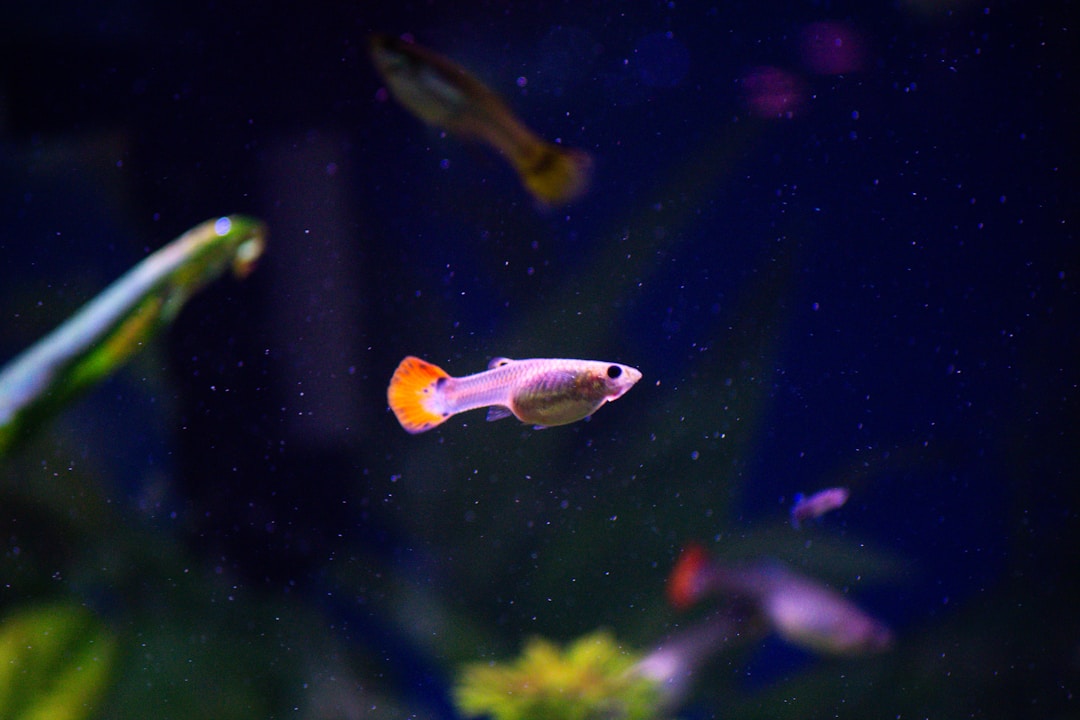
Nano tanks have a problem. Mechanical oil film removers are too large and powerful for small setups. Filter flow rates are low. The water surface stays calm, which lets protein film build up.
Adult guppies are the most effective fish for removing oil film in nano tanks. Just two adult guppies successfully maintain a 22cm tank. Pearl gouramis and medaka rice fish also work, but effectiveness depends on fish size and feeding habits. Overfed fish ignore the oil film completely.
Why Biological Control Works for Nano Tanks
Nano tanks, typically under 30cm in length, have limited filtration. The gentle flow required for small tanks cannot create enough surface agitation to break up oil film. Adding a mechanical surface skimmer introduces equipment that is too large for the tank footprint and too powerful for the gentle flow nano tanks need.
Biological control solves this by using fish that naturally feed at the water surface. These fish consume proteins and oils as part of their diet. No extra equipment. No extra plumbing. The fish do the work while they live in the tank.
Fish Species Compared
Guppies: Highly Effective
Poecilia reticulata
Adult guppies are the top choice for nano tank oil film control. Two adult guppies maintain a 22cm tank with consistent results.
Why they work:
- Feed actively at all water levels including the surface
- Small enough for nano tanks
- Hardy and tolerate the variable conditions common in small tanks
- Constantly foraging when not overfed
Critical requirement: Buy adult size only. Guppy fry are too small to consume meaningful amounts of oil film. Juveniles under 2cm provide no surface cleaning benefit.
Stocking suggestion: Start with 2-3 adults for a 20-25cm nano tank. Add more if the tank is larger or the oil film is heavy.
Pearl Gourami: Effective for Larger Nano Tanks
Trichopodus leerii
Pearl gouramis naturally feed at the surface due to their labyrinth organ. This breathing adaptation keeps them near the top where oil film collects.
Why they work:
- Labyrinth fish are designed for surface feeding
- Graceful and peaceful for community nano tanks
- Attractive appearance adds to tank aesthetic
Limitations:
- Larger than guppies, so need more tank volume
- Better for nano tanks 30cm or longer
- One fish per small tank due to size
Best use: Add one pearl gourami to a planted nano tank 30cm or larger. The fish handles surface film while adding visual appeal.
Medaka Rice Fish: Moderate, Size-Dependent
Oryzias latipes
Medaka, also called Japanese rice fish, have some effect on oil film but performance varies dramatically by size.
What works:
- Larger adults have moderate oil film consumption
- Peaceful schooling fish suitable for nano tanks
- Tolerate a range of temperatures
What does not work:
- Small juveniles provide zero oil film control
- Stop eating oil film completely when overfed with regular food
- Less consistent than guppies
The feeding problem: Medaka lose interest in oil film quickly when you feed them standard flake or pellet food. They prefer the easy meal over foraging at the surface.
Best use: Use larger adult medaka only. Feed sparingly to maintain surface feeding behavior. Do not expect the same reliability as guppies.
White Cloud Mountain Minnows: Ineffective
Tanichthys albonubes
Despite being popular nano tank fish, White Cloud Mountain minnows do not help with oil film.
Why they fail:
- Feed primarily in mid-water and lower levels
- Do not naturally consume surface film
- Their feeding behavior does not include top-level foraging
Do not add White Clouds expecting oil film control. They are attractive fish but serve no purpose for this specific problem.
How to Use Fish for Oil Film Control
Stocking Density
Start conservative. Two adult guppies handle a 22cm tank. For larger nano tanks, add one gourami or increase guppy count by one fish per additional 10cm of tank length.
Too many surface-feeding fish compete for the same food source. They may exhaust the oil film faster than it accumulates, which is not harmful, but also means you could have fewer fish doing the same work.
Feeding Strategy
This is the most critical factor. Overfed fish ignore oil film completely.
Approach:
- Feed less than you think they need
- Skip feeding one day per week
- Observe: if fish actively hunt the surface, your feeding level is correct
- If fish wait at the bottom for food, reduce feeding amount
Slight underfeeding encourages natural foraging. Fish that are slightly hungry will explore all tank levels, including the oily surface.
Tank Size Requirements
| Fish | Minimum Nano Tank Size | Number per Tank |
|---|---|---|
| Adult guppy | 20cm | 2-3 |
| Pearl gourami | 30cm | 1 |
| Adult medaka | 25cm | 3-4 |
Do not add surface-feeding fish to tanks too small for their normal care requirements. A fish that survives but does not thrive will not actively forage.
Compatibility Considerations
Check compatibility with existing tank inhabitants:
- Guppies mix well with most peaceful nano tank species
- Pearl gouramis are peaceful but need calm tank mates
- Medaka school well with other small peaceful fish
Avoid mixing surface-feeding species with aggressive fish that might outcompete them for food or stress them into hiding.
Common Mistakes
Buying Juvenile Fish
This wastes money and time. Juvenile guppies and medaka are too small to consume surface film effectively. They spend months growing before they can help with oil control.
Buy from stores that sell adult-sized fish, or wait for juveniles to mature before expecting results.
Overfeeding Regular Food
Fish prefer easy food over foraging. If you drop flakes or pellets daily in generous amounts, your surface-feeding fish will wait at the bottom for the next delivery.
The oil film stays untouched while fish ignore it for the easier meal.
Expecting Instant Results
Biological control takes days, not hours. Fish need time to:
- Adjust to the new tank environment
- Recognize surface film as a food source
- Develop feeding habits that include the surface
Give the setup at least a week before judging effectiveness.
Wrong Species Selection
Adding White Cloud Mountain minnows or other mid-water feeders provides zero oil film benefit. Research species behavior before purchase. Only fish that naturally feed at the surface contribute to oil film control.
Combining with Heavy Oil Film Sources
If your tank produces more oil film than surface-feeding fish can consume, biological control alone will not solve the problem. Heavy oil film sources include:
- Low-quality food with high fat content
- Overfeeding regardless of food quality
- High stocking density with large waste output
Address the root cause along with adding surface-feeding fish.
When Biological Control Works Best
Biological oil film control is ideal for:
- Nano tanks under 30cm where mechanical skimmers are impractical
- Planted nano tanks with calm water surfaces
- Tanks with moderate stocking density
- Hobbyists who maintain appropriate feeding levels
It supplements but does not replace proper tank maintenance. Weekly water changes and surface skimming during maintenance help maintain water quality alongside biological control.
When You Need Additional Methods
For nano tanks with persistent heavy oil film despite biological control, consider:
- Reducing feeding amount further
- Switching to higher-quality food with lower fat content
- Adding gentle surface agitation by positioning filter output higher
- Manual surface skimming during weekly water changes
Some tanks produce more protein film than biological control alone can handle. Combine methods for best results.
Summary
Adult guppies are the most reliable biological oil film control for nano tanks. Two adults maintain a 22cm tank effectively. Buy adults only.
Pearl gouramis work well for larger nano tanks 30cm or longer. Their surface-oriented behavior makes them natural oil film consumers.
Medaka rice fish provide moderate control with larger adults only. They lose effectiveness when overfed.
White Cloud Mountain minnows do not help with oil film at all.
The key to success with biological control is feeding management. Slight underfeeding encourages fish to forage at the surface. Overfed fish ignore the oil film for easier food.
Match fish size to tank volume, buy adults, and feed sparingly. Biological control then provides effective, equipment-free oil film management for nano tanks.
Comments